American Iconic Cars: History, Design, and Digital Art
There is something unmistakable about classic American automobiles. From the rumble of a V8 engine to the sweeping curves of mid-century bodywork, these machines tell a story that goes far beyond transportation. The American History of Iconic Cars is really a reflection of the country itself—its ambitions, its industrial triumphs, its cultural shifts, and its enduring love affair with the open road. Whether you are a casual admirer, a collector, a designer, or someone teaching the next generation about automotive heritage, understanding this legacy opens up a world of inspiration and practical creative opportunity.
What the American History of Iconic Cars Actually Covers
When people talk about the American History of Iconic Cars, they are referring to a timeline that stretches from the early 1900s through the muscle car era and into modern performance engineering. It is not just a list of models and manufacturers. It is the story of how mass production changed everyday life, how design became an art form, and how cars became symbols of freedom, rebellion, and identity. You see it in the Model T democratizing travel, in the post-war chrome-laden cruisers celebrating prosperity, and in the pony cars of the 1960s capturing youthful energy. Each era added a new chapter, and each chapter left behind vehicles that still turn heads decades later.
What makes this history so compelling is its accessibility. You do not need a mechanical engineering degree to appreciate the significance of a '57 Chevy Bel Air or a first-generation Ford Mustang. The visual language of these cars—their grilles, their tail fins, their proportions—communicates instantly. This is partly why designers, educators, and content creators keep returning to these subjects. They are rich with meaning and instantly recognizable.
Why People Continue to Find Value in These Automotive Icons
Interest in American History of Iconic Cars rarely fades because it connects to multiple motivations at once. For some, it is nostalgia—memories of a grandparent's Oldsmobile or a father's weekend project in the garage. For others, it is about craftsmanship and engineering evolution. Studying how a '63 Corvette Sting Ray achieved its silhouette teaches you about aerodynamics, manufacturing limitations, and artistic vision working together.
Then there are the practical reasons. Restorers need reference imagery. Teachers building lesson plans around industrial history want accurate visuals. Small business owners creating themed merchandise or event posters need high-quality illustrations that capture the essence of these cars without licensing real photographs. Bloggers writing about road trip culture or automotive trends benefit from eye-catching graphics that draw readers in. In all these cases, having the right visual assets makes the difference between a forgettable project and one that resonates.
How Digital Illustration Sets Support Creative and Professional Work
This is where thoughtfully designed illustration collections enter the picture. Imagine you are working on a project that celebrates the American History of Iconic Cars—perhaps a poster series, a social media campaign, an educational infographic, or branded merchandise for a car meet. You need car graphics that are accurate enough to be recognized instantly but flexible enough to adapt to your color palette and layout. Photographs can be restrictive. They come with lighting you cannot change, backgrounds you have to remove, and licensing complications that can derail a commercial project.
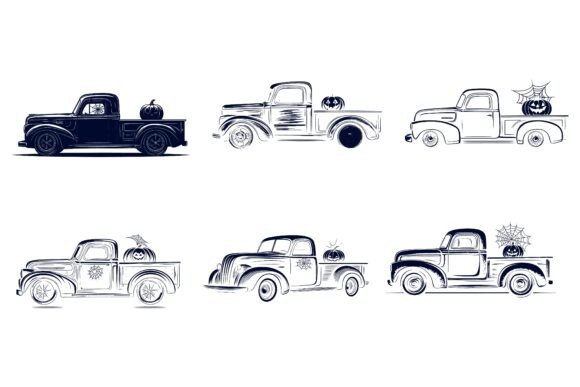
A well-crafted illustration set solves those problems directly. Hello Welcome to our Special AI EPS Collections represents exactly this kind of resource. Rather than spending hours hunting down usable imagery or attempting to illustrate vehicles from scratch, you gain immediate access to professionally organized artwork. The vector format means you can scale a Corvette outline to billboard size or shrink it for a mobile app icon without losing clarity. That kind of versatility is invaluable when you are juggling multiple deliverables.
What Sets a Quality Illustration Collection Apart
Not all design assets are created equal. When evaluating a set for projects tied to American History of Iconic Cars, there are specific qualities that determine whether the files will save you time or create more headaches. The file structure matters. You want neatly organized layers so you can isolate a single car silhouette or a specific detail without hunting through dozens of unnamed paths. Compatibility across Mac and Windows platforms ensures your workflow stays smooth regardless of your operating system.
Detail consistency is another factor that separates professional work from amateur attempts. When every vehicle in a collection shares the same line weight, the same level of simplification or intricacy, and the same stylistic approach, your final product looks cohesive. This matters enormously in infographics, brand identity systems, and multi-page layouts. Inconsistencies jar the viewer, even if they cannot articulate why something feels off.
Color editing flexibility also cannot be overstated. Maybe you need a Mustang in forest green to match a client's branding, or you want to create a monochrome series for a minimalist poster run. Good vector illustrations let you change colors, tweak strokes, and modify shapes without degrading quality. You are not stuck with someone else's creative decisions—you have a foundation to build upon.
Practical Use Cases Across Different Fields
The intersection of American History of Iconic Cars and quality illustration assets creates opportunities in more areas than you might expect. Consider a few real-world scenarios where these tools shine.
- Print Design and Merchandise: T-shirts, mugs, posters, and event banners all benefit from clean car graphics. A local car show can use the same base illustration across all materials, adjusting colors for each application while maintaining a consistent brand identity.
- Web and Digital Content: Bloggers covering automotive history, travel routes like Route 66, or restoration tips can use these illustrations as hero images, thumbnail graphics, or section dividers. The scalability of vector files ensures they look crisp on retina displays and standard monitors alike.
- Mobile Apps and User Interfaces: Developers building car-related apps—whether for tracking maintenance, identifying classic models, or planning scenic drives—need recognizable icons that work at small sizes. Well-designed car symbols communicate function instantly.
- Educational Materials: Teachers and textbook designers can illustrate the evolution of automotive design with consistent, accurate vehicle depictions. An infographic tracing the development of safety features or body styles becomes far more engaging with proper visuals.
- Infographics and Data Visualization: Comparing horsepower across decades? Showing the rise and fall of tail fin height? These data-driven stories work best when the visuals connect emotionally. A chart with small car icons draws attention and aids memory retention.
What Makes the AI EPS Collection a Fit for These Projects
The Hello Welcome to our Special AI EPS Collections bundle addresses many of the friction points that creators encounter. Having AI, EPS, and JPG file formats included means you do not need additional conversion software. You can open the vector files in Adobe Illustrator, Affinity Designer, CorelDRAW, or free alternatives and start working immediately. The JPG versions provide quick preview options and are ready for drag-and-drop use in less demanding contexts.
The cross-platform design acknowledges a simple reality: creative teams are often mixed environments. A freelancer on a MacBook Pro might hand off files to a client working on a Windows desktop, and nothing should break in that transition. Knowing the folder structure is logical and the layers are named clearly removes the friction that wastes billable hours.
Attention to detail in the illustrations themselves—the proportions of a '55 Chevy, the stance of a classic Charger, the grille treatment of an early Bronco—shows respect for the subject matter. When an audience passionate about American History of Iconic Cars looks at your project, inaccuracies jump out. Getting these details right builds credibility and shows you did your homework.
Things to Consider Before Starting Your Project
Before you dive into any creative work involving American History of Iconic Cars, take a moment to clarify your goals. What is the primary output? A digital campaign has different resolution and color space requirements than screen printing. Are you working with a defined brand palette, or are you free to experiment? Knowing this upfront helps you assess whether a given illustration set offers the flexibility you genuinely need.
Also consider your audience's level of automotive knowledge. Casual viewers respond to bold silhouettes and emotional colors. Enthusiasts notice whether a depiction captures the correct wheelbase proportions or the distinctive C-pillar shape of a particular model. Choose assets that match the sophistication of the people you are trying to reach. Overly simplified graphics might alienate a dedicated car crowd, while hyper-detailed technical drawings could overwhelm a general audience looking for lifestyle imagery.
Licensing is another practical point. Make sure the collection you purchase permits the uses you have in mind—commercial projects, merchandise for resale, inclusion in digital products, and so on. Reputable illustration packs are clear about these terms, giving you peace of mind when your project goes public.
Bringing It All Together
Exploring the American History of Iconic Cars is more than an academic exercise. It is an invitation to connect with design heritage, to tell visual stories that resonate across generations, and to create work that stands out in crowded marketplaces. Whether you are building a brand around vintage automotive culture, teaching design students about the evolution of American industrial aesthetics, or simply adding flair to a personal blog, the right visual tools make the process smoother and the results stronger.
An illustration collection built with care—one that includes AI, EPS, and JPG formats, works across operating systems, and delivers consistent, editable artwork—removes the technical barriers that often slow down creative momentum. You spend less time wrestling with file compatibility and more time shaping your vision.
If you have been searching for a way to bring the spirit of classic American automobiles into your next project, now is a great time to act. The resources are ready, the formats are flexible, and the creative possibilities are wide open. So what are you waiting for? Buy now and start using this awesome illustration set to build something memorable, polished, and uniquely yours.